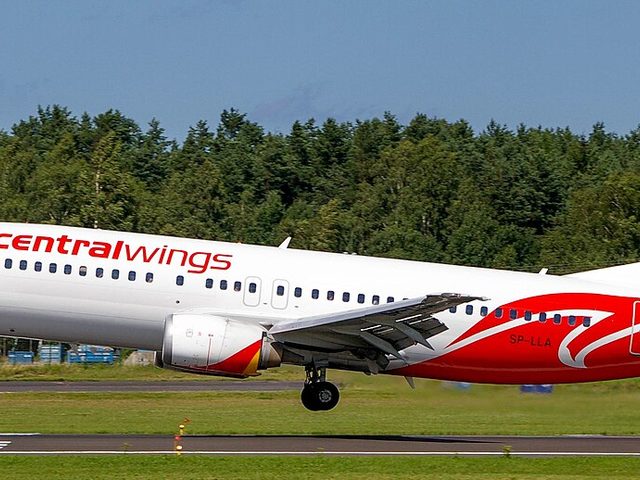
Boeing 737-400
Twin Jet· 55 globally registered
The Boeing 737-400 is the stretched member of the 737 Classic family, introduced in 1988 as Boeing's answer to growing demand for higher-capacity short-haul jets. With seating for 146 to 170 passengers in typical configurations, the -400 extended the fuselage by 10 feet over the -300, making it the longest Classic variant and a direct competitor to the Airbus A320 and McDonnell Douglas MD-80. Powered by CFM56-3 high-bypass turbofans producing 23,500 pounds of thrust each, the type offered airlines a reliable workhorse with a 2,060-nautical-mile range and the flexibility to serve both dense domestic routes and thinner international markets. The -400 became particularly popular in Asia and Europe, where its capacity sweet spot filled the gap between smaller 737s and widebody equipment. Over 486 were built before production ended in 2000, replaced by the Next Generation 737-800 which offered similar capacity with significantly better fuel efficiency. Today the 737-400 remains in service primarily with cargo operators, charter carriers, and airlines in emerging markets, valued for its rugged simplicity and low acquisition cost on the secondary market. The type's operational envelope is typical of the Classic series: maximum operating speed of 340 knots IAS or Mach 0.82, service ceiling of 37,000 feet, and approach speeds around 138 knots depending on weight. While no longer in frontline service with major carriers, the -400 proved Boeing's ability to stretch an airframe successfully and paved the way for the even longer 737-900ER two decades later. SkyMeter has tracked 1,204 flights across 125 airframes and 13 operators over routes, with EASTERN 737 ASSET HOLDINGS LLC the largest observed operator.
Safety in context
The incident rate counts flights with ANY safety event detected by SkyMeter: go-arounds (a routine response, not a failure), unstable-approach gate flags (advisory thresholds), rejected takeoffs (the system working as designed), and runway events. It is NOT an accident rate or fatality rate. For accident statistics, refer to the NTSB Aviation Accident Database (USA) or the Aviation Safety Network. See methodology for what each event type measures.
Performance
Speed envelope & approach
Dimensions
Airframe geometry
Weight & identification
Operating limits
Top operators
By fleet size · last 7 days


Safety profile
Flagged flights · last 7 days
Recent incidents
Flagged flights of B734


Recent flights
Real flights of B734 · airborne ≥ 20 min


