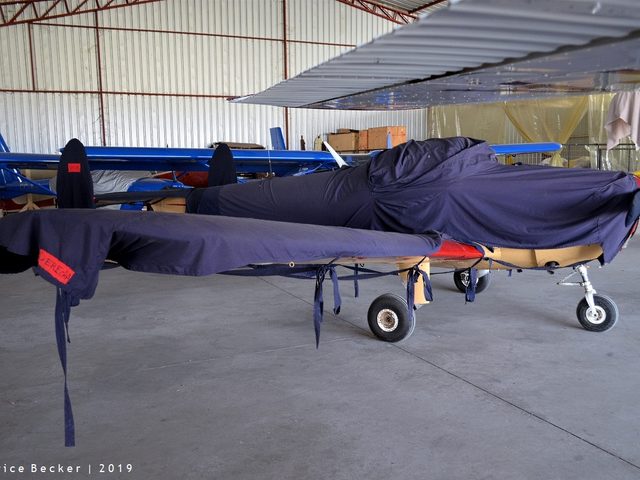
Ercoupe 415
Single Piston· 1,048 globally registered
The ERCO Ercoupe holds a unique place in aviation history as one of the first mass-produced light aircraft designed to be nearly spin-proof and exceptionally easy to fly. Introduced in 1940 by the Engineering and Research Corporation, the Ercoupe featured an innovative control system that coupled the rudder to the ailerons, eliminating the need for rudder pedals in normal flight: a pilot could fly it with the control wheel alone. This design, combined with tricycle landing gear and a low stall speed, made it one of the safest and most forgiving aircraft of its era, marketed explicitly to pilots with minimal training and even to non-pilots during the postwar boom. Over 5,000 Ercoupes were built between 1940 and 1970 under various manufacturers (ERCO, Univair, Forney, Alon, and finally Mooney as the M-10 Cadet), and the type earned a devoted following for its docile handling and distinctive bubble canopy. The 415-C variant, powered by a Continental C-75 or C-85 engine producing 75-85 horsepower, cruises around 95 knots and has a range of roughly 300 nautical miles, modest by modern standards but perfectly adequate for local flying and the $100 hamburger run. Its wide-track tricycle gear made crosswind landings straightforward, and the aircraft's benign stall characteristics meant it could be flown safely to the scene of the crash, as the saying goes. Today the Ercoupe remains a beloved classic on the vintage aircraft circuit, prized for its charm, affordability, and the sheer fun of flying an airplane that feels more like driving a car with wings. SkyMeter has tracked 145 flights across 65 airframes and 63 operators, with TIGER FLIGHT FOUNDATION INC the largest observed operator.
Safety in context
The incident rate counts flights with ANY safety event detected by SkyMeter: go-arounds (a routine response, not a failure), unstable-approach gate flags (advisory thresholds), rejected takeoffs (the system working as designed), and runway events. It is NOT an accident rate or fatality rate. For accident statistics, refer to the NTSB Aviation Accident Database (USA) or the Aviation Safety Network. See methodology for what each event type measures.
Performance
Speed envelope & approach
Dimensions
Airframe geometry
Weight & identification
Operating limits
Top operators
By fleet size · last 7 days


Safety profile
Flagged flights · last 7 days
Family
Related variants
No related variants.
Recent incidents
Flagged flights of ERCO
Recent flights
Real flights of ERCO · airborne ≥ 20 min


