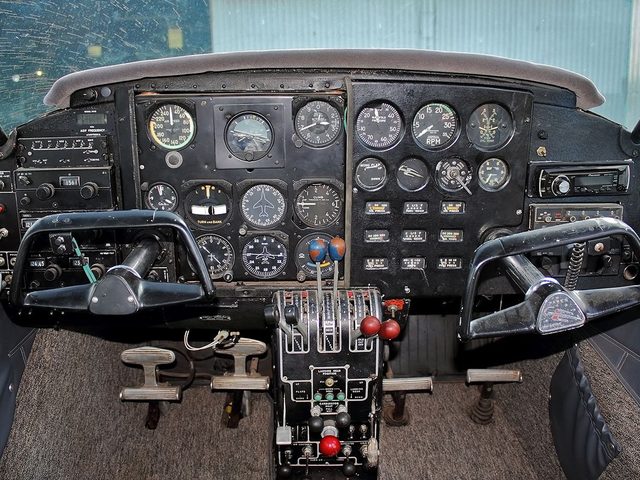
Piper Pa-23-150/160 Apache
Twin Piston· 247 globally registered
The Piper PA-23 represents one of general aviation's most successful light twin families, spanning from the original Apache introduced in 1954 through the refined Aztec variants that remained in production until 1982. Piper designed the Apache as an affordable entry into twin-engine flying, positioning it below the more complex Beechcraft twins of the era. The type evolved significantly over nearly three decades: the early Apache featured 150-160 hp engines and a distinctive short nose, while the later Aztec models (PA-23-250) adopted 250 hp Lycoming engines, a stretched fuselage, and improved systems that made them capable light business transports and trainer aircraft for multi-engine ratings. The Aztec's combination of docile handling, reasonable performance (cruise speeds around 180-210 knots depending on variant), and forgiving engine-out characteristics made it a staple of flight schools and small charter operators. With a service ceiling around 17,000 feet and useful load exceeding 1,600 pounds in later models, the PA-23 offered genuine utility for short-haul business trips and cargo work. More than 7,000 Apaches and Aztecs were built across all variants, and hundreds remain active today in training, personal transport, and light cargo roles. The type's straightforward systems, parts availability through the aftermarket, and relatively low operating costs for a twin have sustained a loyal owner community decades after production ended. SkyMeter has tracked 403 flights across 110 airframes and 107 operators, with REGISTRATION PENDING the largest observed operator.
Safety in context
The incident rate counts flights with ANY safety event detected by SkyMeter: go-arounds (a routine response, not a failure), unstable-approach gate flags (advisory thresholds), rejected takeoffs (the system working as designed), and runway events. It is NOT an accident rate or fatality rate. For accident statistics, refer to the NTSB Aviation Accident Database (USA) or the Aviation Safety Network. See methodology for what each event type measures.
Performance
Speed envelope & approach
Dimensions
Airframe geometry
Weight & identification
Operating limits
Top operators
By fleet size · last 7 days


Safety profile
Flagged flights · last 7 days
Recent incidents
Flagged flights of PA23


Recent flights
Real flights of PA23 · airborne ≥ 20 min


