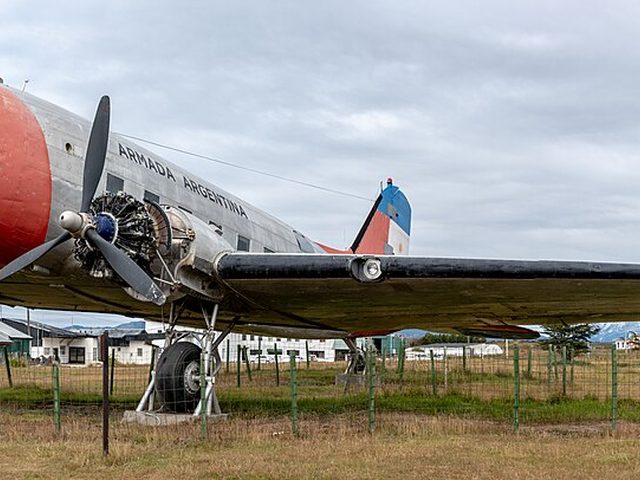
Douglas Dc 3
Twin Piston· 175 globally registered
The Douglas DC-3 is arguably the most influential transport aircraft ever built, revolutionizing commercial aviation in the 1930s and proving so durable that hundreds remain airworthy nearly 90 years after the type's first flight in 1935. Originally designed as a sleeper transport for American Airlines, the DC-3 became the first airliner that could turn a profit carrying passengers alone, without relying on mail contracts. Its military variant, the C-47 Skytrain (dubbed the "Dakota" by the RAF), became the backbone of Allied airlift operations during World War II, dropping paratroopers over Normandy, supplying the Burma campaign, and flying the Hump over the Himalayas. General Dwight Eisenhower later named it one of the four tools most vital to Allied victory. Powered by twin Pratt & Whitney R-1830 radial engines producing 1,200 horsepower each, the DC-3 cruises at around 160 knots with a range of approximately 1,500 nautical miles. Its rugged construction, forgiving handling characteristics, and ability to operate from unpaved strips made it ideal for bush operations, cargo hauling, and remote community service long after jets displaced it from mainline routes. The type's low stall speed of 58 knots in landing configuration and docile flight characteristics earned it a reputation as a pilot's airplane, while its all-metal construction and rugged landing gear allowed it to absorb punishment that would ground more delicate designs. Today the DC-3 serves niche roles in cargo operations, skydiving, warbird preservation, and remote logistics where its short-field performance and mechanical simplicity remain unmatched by modern aircraft. Some operators have re-engined examples with turboprops, extending the type's service life into its second century. SkyMeter has tracked 61 flights across 20 airframes and 19 operators, with SAVE A DC 3 THE MR DOUGLAS SOCIETY INC the largest observed operator.
Safety in context
The incident rate counts flights with ANY safety event detected by SkyMeter: go-arounds (a routine response, not a failure), unstable-approach gate flags (advisory thresholds), rejected takeoffs (the system working as designed), and runway events. It is NOT an accident rate or fatality rate. For accident statistics, refer to the NTSB Aviation Accident Database (USA) or the Aviation Safety Network. See methodology for what each event type measures.
Performance
Speed envelope & approach
Dimensions
Airframe geometry
Weight & identification
Operating limits
Top operators
By fleet size · last 7 days


Safety profile
Flagged flights · last 7 days
Family
Related variants
Recent incidents
Flagged flights of DC3


Recent flights
Real flights of DC3 · airborne ≥ 20 min