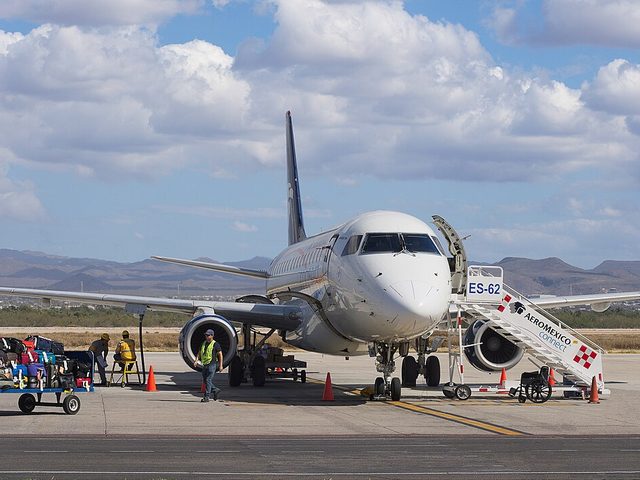
Embraer 170
Twin Jet· 663 globally registered
The Embraer E170 launched the Brazilian manufacturer into the 70-90 seat regional jet market in 2004, becoming the smallest member of the E-Jet family and directly challenging Bombardier's CRJ series with a wider cabin, larger overhead bins, and a more spacious passenger experience than its competitors. Embraer designed the E170 around a double-bubble fuselage cross-section that delivers four-abreast seating with a center aisle wide enough to feel more like a narrowbody mainline jet than a traditional regional aircraft, a distinction that helped it win orders from carriers seeking to upgrade passenger comfort on short-haul routes. Powered by two General Electric CF34-8E engines, the E170 seats 70-80 passengers in typical configurations and cruises at Mach 0.78 with a range of approximately 2,150 nautical miles, making it ideal for regional routes of one to three hours. The type features a fly-by-wire flight control system (unusual for regional jets at the time), along with advanced avionics derived from Embraer's experience building business jets. Its operating economics and passenger appeal made it particularly popular with U.S. regional carriers flying under major airline brands, where scope clauses often limited aircraft size to 76 seats. The E170 entered service with LOT Polish Airlines in 2004 and quickly gained traction in North America, where it became a workhorse for regional operations. Though Embraer has since shifted focus to the larger E175 and the re-engined E2 family, the original E170 remains in widespread service, valued for its reliability and the operational flexibility of its size. SkyMeter has tracked 479 flights across 89 airframes and 12 operators, with WILMINGTON TRUST CO TRUSTEE the largest observed operator.
Safety in context
The incident rate counts flights with ANY safety event detected by SkyMeter: go-arounds (a routine response, not a failure), unstable-approach gate flags (advisory thresholds), rejected takeoffs (the system working as designed), and runway events. It is NOT an accident rate or fatality rate. For accident statistics, refer to the NTSB Aviation Accident Database (USA) or the Aviation Safety Network. See methodology for what each event type measures.
Performance
Speed envelope & approach
Dimensions
Airframe geometry
Weight & identification
Operating limits
Top operators
By fleet size · last 7 days


Safety profile
Flagged flights · last 7 days
Recent incidents
Flagged flights of E170
Recent flights
Real flights of E170 · airborne ≥ 20 min