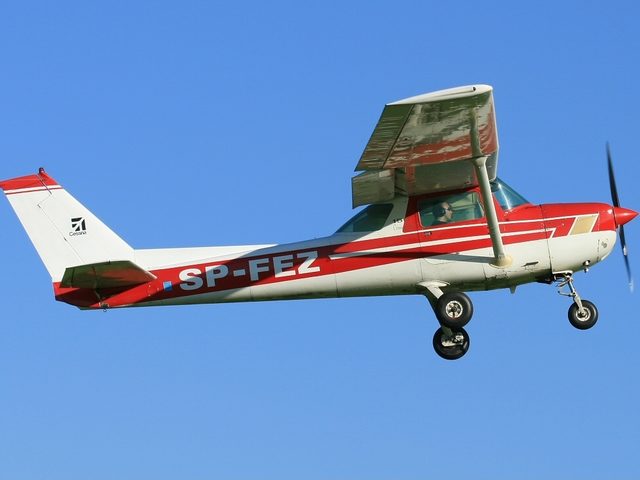
Cessna 150
Single Piston· 8,194 globally registered
The Cessna 150 (C150) is a single-engine piston aircraft classified as light wake category. Typical approach speed (Vref) is around 55 knots; operating envelope 725 kg MTOW. SkyMeter has observed 6,120 flights operated by this type across 1,359 airframes and 1,168 carriers. The largest observed operator is REGISTRATION PENDING (N18).
Safety in context
The incident rate counts flights with ANY safety event detected by SkyMeter: go-arounds (a routine response, not a failure), unstable-approach gate flags (advisory thresholds), rejected takeoffs (the system working as designed), and runway events. It is NOT an accident rate or fatality rate. The C150 is widely used for primary flight training, so a substantial share of flagged events are stall-recognition practice and pattern-work go-arounds. That is normal training activity, not a safety-of-flight problem. For accident statistics, refer to the NTSB Aviation Accident Database (USA) or the Aviation Safety Network. See methodology for what each event type measures.
Performance
Speed envelope & approach
Dimensions
Airframe geometry
Weight & identification
Operating limits
Top operators
By fleet size · last 7 days


Safety profile
Flagged flights · last 7 days
Recent incidents
Flagged flights of C150


Recent flights
Real flights of C150 · airborne ≥ 20 min


